
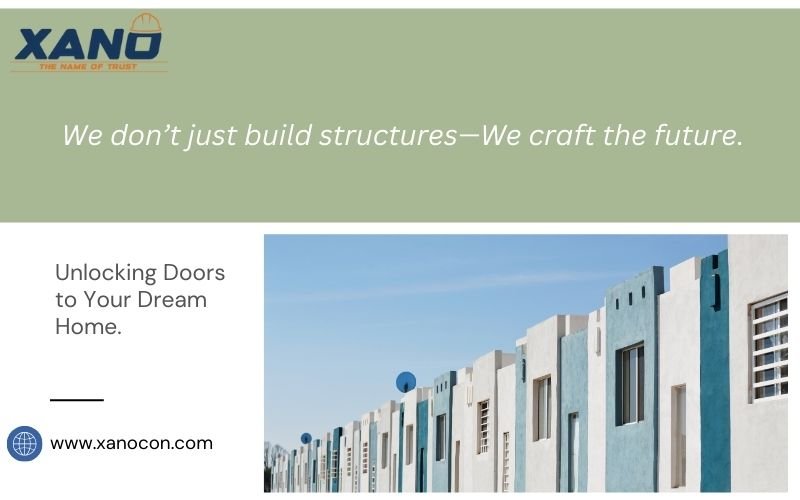
The Modern Residential Project: A Heaven for Sustainable Living
In today’s world, residential buildings are no longer just structures. They are now intended to be places of luxury, creativity, and sustainability. With the rapid growth of urbanization increasing the demand for well-planned homes that can meet different needs while also embracing sustainability has increased exponentially. This article examines the changing design of residential developments with a focus on their importance in terms of design, trends, and sustainability aspects.
Importance of Residential Project
Residential developments greatly contribute to the lives of residents and communities. They do more than simply provide a roof over people’s heads; they build places for health, and growth, and relationships. There is also a mix of houses, which range from affordable units to expensive apartments, which guarantee access and inclusion to different sections of society.
Trends in Modern Residential Design
The residential landscape’s architectural developments has undergone a significant transformation in the past 10 years. Key design trends include:
Smart Homes: With the rise of technology that is smart, residential areas are now integrating equipment and systems that improve efficiency and ease of use. Options like the ability to control temperature and lighting with voice and security systems for homes are now standard in a variety of projects.
Eco-Friendly Architecture: Sustainable design practices are at leading edge of architecture for homes. Developers are increasingly using efficient materials such as rainwater harvesting systems and solar panels in order to lessen the impact on the environment.
Mix-Used developments: Many of the residential developments currently incorporate mixed-use features including retail outlets as well as co-working and entertainment zones. This reduces the requirement for residents to commute frequently to work from home and encourages a more active lifestyle.
Community-Centric Spaces: With a focus on social interaction, modern residential developments often incorporate common areas, such as amphitheaters, gardens, or clubhouses. These spaces promote community bonding and boost mental health.
Sustainable Landscaping: Landscaping isn’t just about aesthetics. The focus is now on native vegetation, vertical garden and green roofs in order to enhance air quality and lessen urban heat island impacts.
Sustainability in Residential Projects
As the world faces environmental problems, residential projects are becoming an integral part in the answer. Sustainability is not an option anymore as it is now a key element of contemporary architecture and construction. Here are some examples of how residential developments are pushing sustainability:
Energy Efficiency: The use of energy-efficient equipment, lighting with LEDs, and efficient HVAC systems are being used to reduce the use of energy. Some initiatives even target zero energy consumption.
Water Conservation: When it comes to saving water, steps such as implementing greywater recycling systems and retrofitting buildings with low-flow plumbing fixtures remain the number one priority. In new developments, the installation of rainwater harvesting systems has become commonplace and widespread.
Waste Management: In order to be more responsible in the way they manage waste, residential projects are starting to implement composting units, recycling programs, and even waste segregation systems.
Sustainable Materials: Alternatively, the use of contact-reclaimed wood, bamboo, and steel is becoming more prevalent however, these materials do provide some environmental advantages, as they are said to be more visually pleasing to the eye.
Green Certifications: Many residential projects seek accreditations such as LEED (Leadership for Energy and Environment Design) or BREEAM (Building Research Establishment Environmental Assessment Method) which prove their commitment to sustainability.
Benefits of Modern Residential Projects
The meticulous plan and implementation of residence developments provide numerous advantages:
Enhance Quality of Life: With modern amenities, lush green areas, and intelligent technology, residents can enjoy a relaxing and easy living.
Community building: Spaces that are shared and designed to be community-oriented facilitate interaction and build an atmosphere of belonging for residents.
Economic Growth: Large-scale residential developments often stimulate local economic growth by creating employment and attracting businesses.
Environmental Impact: With the use of sustainable practices residential developments can help reduce carbon emissions and preserving natural resources.
Urban Development: These projects support the development of a planned urban area, avoiding accidental growth, and also preserving the land for future development.
Challenges and Future Prospects
Despite their benefits, however, residential developments face a variety of issues. Acquisition of land, increasing construction costs, and regulatory obstacles can slow down project timelines. In addition, balancing affordability and sustainability is a key issue for developers.
The future of residential developments looks promising. Technology advancements, along with a growing awareness of sustainable development, are paving the way for exciting innovations. The rising popularity of modular structures along with 3D printing for example is expected to revolutionize the construction industry by cutting down on duration and cost.
Furthermore in the same way, as organizations and governments all over the world promote green building practices Residential projects continue to develop in order to meet the requirements for environmental sustainability. The incorporation with artificial intelligence (AI) along with IoT or the Internet of Things (IoT) will enhance the usability and efficiency of homes.
Conclusion
Modern living is comprised of comfort, innovation, and sustainability of residential projects. This need is even more critical for thoughtfully designed and environmentally responsible housing. Smart technology, sustainable practices, and community-centric designs enabled residential projects can help redefine urban living and lead to a greener, more inclusive future.
Such investments are not only a guarantee of a higher quality of life for residents but also play a crucial role in solving global problems of climate change and urban overcrowding. The success of residential projects is achieved when they can align human aspirations with planetary needs, and make spaces that are home for today and tomorrow.
FAQS
1. What is the concept of residential project?
It is a building containing individually Occupants of each residence within such buildings had the a cooking and a bathroom facilities and may be referred as to as an the apartment or a condominium.
2. What is the purpose of residential building?
For the purposes of this Part, residential uses include the use of a building as a dwelling with two or more living rooms, boarding houses and hostels, boarding houses, and residential clubs.
3. What is the importance of residence?
It provides us with a sense of belonging (safety), comfort, and security. It is the place where we create memories with our loved ones. It is where our skills and our personalities start their journey.