
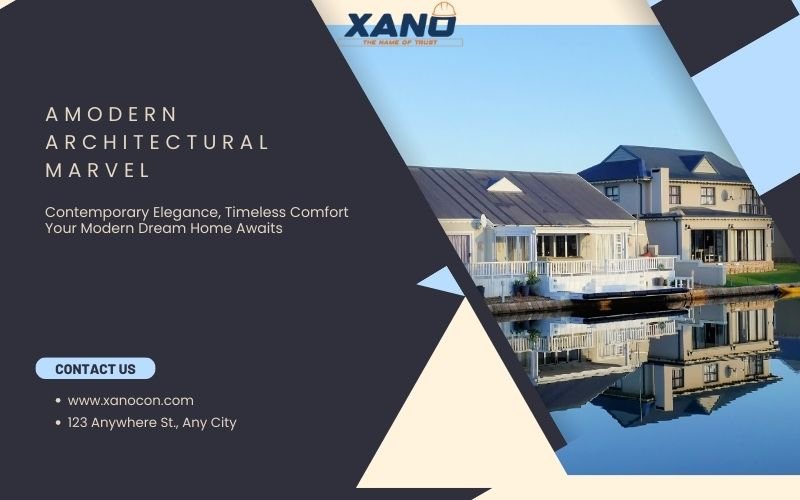
Contemporary Concrete Houses: A Modern Architectural Marvel
In modern design, concrete has become a trendy material for stylish and resilient homes. Once used almost exclusively in industrial and commercial buildings, concrete is now widely used in residential construction. Today, concrete houses are praised for their minimalistic styling, strength, and endurance. So, why have homes made of concrete become popular, and what makes them special in today’s architecture world?
The Appeal of Contemporary Concrete Houses
Concrete houses, which are sleeker and more modern in appearance, are built to be durable and strong. As such, they provide a rare mix of glamour and function at home, hence their popularity among homeowners and architects. The popularity of modern concrete houses is endorsed by the following features:
1. Durability and Strength:
Concrete is one of the most durable construction materials. It can resist severe weather systems, such as hurricanes, earthquakes, and torrential rain. Concrete doesn’t rot, warp, or attract pests like wood , and therefore a
very sustainable option for homes.
2. Minimalist Aesthetic:
Modern concrete residences typically have sleek lines, expansive interiors, and a neutral color scheme. This aesthetic feels fresh for modern homeowners looking for something sophisticated yet chic, and a minimalist-designed home appeals to that.
3. Energy Efficiency:
Often homes made of concrete also have very good thermal properties which means they help support the indoor temperature. The night-time release of heat absorbed by the material during the day reduces the need for artificial heating and cooling.
4. Low Maintenance:
Concrete homes are low-maintenance compared to wooden or brick houses. They need little, or no, painting and repair work done, thereby lowering long-term maintenance and repair costs.

Design Elements of Contemporary Concrete Homes
Contemporary concrete houses incorporate various design elements that enhance their aesthetic appeal and functionality. Some key features include
1. Open Floor Plans
Modern concrete houses often have open layouts, resulting in a seamless connection between living spaces.
2. Exposed Concrete Surfaces
Rather than painting or wallpapering walls, many modern concrete homes expose the concrete surfaces.
3. Use of Natural Elements
To counteract the cold and stiff aesthetic of concrete, architects often incorporate natural elements like wood, stone, and greenery. Wooden furniture, indoor plants, and large glass panels help soften the overall look and create a warm, inviting atmosphere.
4. Innovative Shapes and Structures
Unlike traditional houses, which are rectangular or square, most contemporary concrete houses flaunt bold geometric forms and unconventional structures. Curved walls and asymmetrical designs give these homes their own distinct character.
Sustainability in Concrete Homes
Sustainability is one of the defining aspects of modern architecture, and concrete homes make a huge contribution to ecology in several areas:
- Recycled Materials
Also, modern concrete houses are often made of recycled materials, which eliminate wastage and environmental harm.
- Energy Efficiency
As stated before, due to the thermal mass of concrete, indoor temperatures remain relatively stable and relatively pleasant with less reliance on heating or cooling.
- Green Roofs and Solar Panels
Concrete houses with green roofs, for example, are being incorporated into home designs that better insulate homes and absorb less heat. Furthermore, the home becomes more sustainable with the installation of solar panels to utilize renewable energy.
Challenges of Building a Concrete House
While concrete homes offer many benefits, there are some challenges to consider:
- Higher Initial Cost
Diameter of a concrete house in inches: Pros of a concrete home, the price of a concrete house in inches Pros of concrete home
- Longer Construction Time
By contrast, concrete structures take more time to create, as the material needs to cure, be poured, and set correctly.
- Limited Customization
Unlike wood, which is easy to work with and change, concrete is harder to alter once the structure is built. Homebuilders have to think through everything before construction starts.
Conclusion
Modern concrete homes have transformed the face of modern architecture with their sturdiness, energy efficiency, and aesthetic appeal. Their eco-friendly features, together with their minimalist aesthetic, provide an ideal solution to homeowners searching for a sustainable and long-lasting living solution. Although there might be certain limitations, the advantages of concrete houses far surpass the disadvantages; hence, it is a sensible investment for the future. As newer architectural trends come into play, concrete homes are likely going to stay a leading actor in modern residential design.